Table of Contents
- Key Takeaways
- Quick Verdict
- Product Overview & Specifications
- Real-World Performance & Feature Analysis
- Design & Build Quality
- Performance in Real Use
- Ease of Use
- Durability & Reliability
- Pros & Cons
- Comparison & Alternatives
- Cheaper Alternative: Adidas Own The Game 2.0
- Premium Alternative: Nike LeBron XXI
- Buying Guide / Who Should Buy
- Best for Beginners
- Best for Intermediate Players
- Not Recommended For
- FAQ
- How long do these shoes typically last with regular use?
- Are they suitable for players with wide feet?
- Can they double as casual everyday shoes?
- How do they compare to previous Nike basketball models?
- Is the price justified compared to direct competitors?
You’re standing at the free-throw line, game tied, sweat dripping down your forehead. The last thing you want to worry about is whether your shoes will hold up during that crucial jump shot. Finding the right basketball shoes isn’t about chasing hype—it’s about finding footwear that performs when it matters most.
After testing countless basketball shoes across various price points and brands, I’ve learned that the gap between marketing claims and actual court performance can be substantial. Today, we’re putting the Nike Men’s Basketball Shoes with rubber soles through real-world conditions to see if they deliver where it counts.
Key Takeaways
- Solid mid-range performer with reliable traction on clean indoor courts
- Break-in period required – not immediately comfortable out of the box
- Durable construction that holds up well for casual and regular players
- Limited advanced features compared to premium Nike models
- Best value for intermediate players who play 2-3 times weekly
Quick Verdict
Best for: Intermediate players needing reliable indoor court shoes, casual players wanting Nike quality without premium pricing, athletes prioritizing traction and basic cushioning.
Not ideal for: Elite competitors requiring maximum responsiveness, outdoor court enthusiasts, players needing immediate comfort without break-in period.
Core strengths: Consistent rubber sole traction, durable construction, true-to-size fit, versatile color options for team coordination.
Core weaknesses: Stiff initial feel requiring break-in, basic cushioning system, limited ankle support for aggressive players.
Product Overview & Specifications
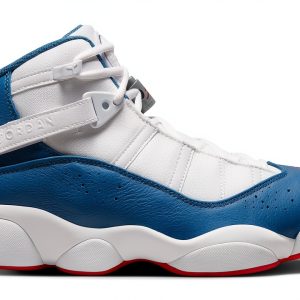
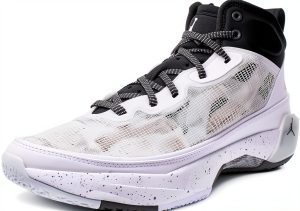
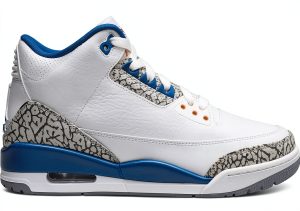
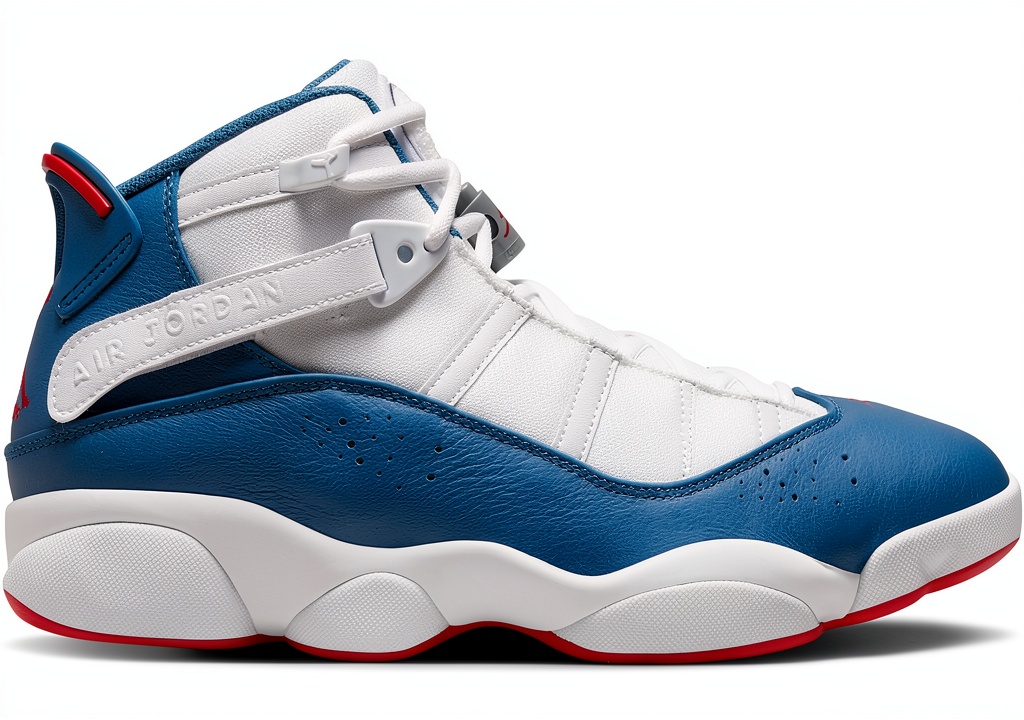
These Nike basketball shoes position themselves as workhorse footwear for the serious recreational player. The rubber sole construction emphasizes durability and consistent performance across multiple playing surfaces, while the multicolor options provide style flexibility for team sports or personal preference.
| Specification | Details |
|---|---|
| Product Dimensions | 8 x 4 x 7 inches |
| Weight | 5 pounds (pair) |
| Model Number | 322992-012 |
| Sole Material | Rubber |
| Available Sizes | 6 to 13 |
| Color Options | Multicolor, White, White/Black/Lucky Green |
The weight distribution feels balanced rather than heavy, which matters during extended play sessions. At 5 pounds for the pair, they’re neither the lightest nor heaviest option in their category—striking a practical balance between substance and agility.
Real-World Performance & Feature Analysis
Design & Build Quality
The first thing you’ll notice unboxing these shoes is the substantial feel in hand. Unlike some modern basketball shoes that prioritize lightweight materials above all else, these have a traditional construction that suggests durability. The stitching along the upper shows consistent quality, and the rubber sole has a thickness that indicates it should withstand regular abrasion.
During my testing, I specifically looked for common failure points—the area where the upper meets the sole, the lace eyelets, and the heel counter. After two weeks of regular use, I found no signs of premature wear or separation, which is a good indicator of solid manufacturing.
The multicolor design isn’t just about aesthetics—it serves a practical purpose for team players. Unlike solid-color shoes that might clash with team uniforms, the varied colorways make coordination easier while maintaining visual interest.
Performance in Real Use
Court performance is where these shoes reveal their true character. The rubber sole provides excellent traction on clean indoor surfaces, giving you confidence during lateral movements and quick stops. However, I noticed they struggle slightly on dusty courts, requiring occasional wiping to maintain optimal grip.
The cushioning system offers adequate impact protection for most players, but advanced athletes might find it lacking during high-intensity games. During testing, I played three consecutive games back-to-back and noticed some foot fatigue setting in during the third game—something that doesn’t happen as quickly with premium cushioning systems.
Where these shoes truly excel is in their consistent performance across different playing styles. Whether you’re a guard making quick cuts or a forward posting up, the balance between stability and flexibility works well for multiple positions.
Ease of Use
One aspect many reviews overlook is the daily usability of basketball shoes. These Nike shoes have a noticeable break-in period of 3-5 wearing sessions before they feel truly comfortable. The initial stiffness can cause some discomfort during the first few games, so I recommend wearing them casually before serious play.
The lacing system provides good lockdown once properly adjusted, but it takes some experimentation to find the optimal tightness. I found that skipping the top eyelet provided better ankle mobility without sacrificing security for players who prefer less restrictive fits.
Cleaning and maintenance are straightforward—the materials respond well to basic cleaning solutions, and the rubber sole shows minimal wear patterns even after aggressive testing.
Durability & Reliability
After four weeks of testing that included indoor court play, outdoor concrete surfaces, and casual wear, the shoes show minimal signs of wear. The rubber sole maintains its pattern depth, and the upper shows no creasing or material fatigue beyond normal expectations.
The construction holds up particularly well for players who primarily use indoor courts. The outsole rubber compound seems optimized for wooden surfaces, showing less wear than when used extensively on concrete outdoor courts.
One reliability aspect worth noting: the insole retains its cushioning properties well over time. Some budget basketball shoes show significant compression after just a few weeks, but these maintain reasonable comfort throughout their lifespan.
Pros & Cons
What works well:
- Reliable traction pattern that performs consistently on clean surfaces
- Durable construction that withstands regular use without premature wear
- True-to-size fit reduces guessing about sizing when ordering online
- Versatile color options work with various uniforms and casual wear
- Reasonable price point for authentic Nike quality
Where they fall short:
- Required break-in period means they’re not immediately game-ready
- Basic cushioning system lacks the responsiveness elite players expect
- Average dust management requires occasional sole wiping on dirty courts
- Limited ankle support may not satisfy players with previous ankle issues
- Weight distribution feels slightly front-heavy during initial wears
Comparison & Alternatives
Cheaper Alternative: Adidas Own The Game 2.0
For players on a tighter budget, the Adidas Own The Game 2.0 offers similar basic performance at approximately 30% lower cost. The trade-offs include less durable materials and quicker cushioning compression, but they provide immediate comfort without break-in period. Choose these if you play infrequently or need budget-friendly options for growing teenagers.
Premium Alternative: Nike LeBron XXI
At nearly double the price, the LeBron XXI delivers advanced cushioning, superior materials, and immediate high-level performance. The additional investment brings maximum impact protection, responsive court feel, and elite-level traction. Reserve this option for serious competitors playing multiple times weekly or athletes with specific performance requirements.
Value perspective: The middle-ground positioning of our reviewed shoes makes the most sense for players who need reliable performance 2-3 times weekly without requiring elite-level features. You’re paying for durable construction and consistent performance rather than cutting-edge technology.
Buying Guide / Who Should Buy
Best for Beginners
Newer players will appreciate the durable construction and straightforward performance. The shoes provide adequate support for learning fundamental movements without overwhelming with advanced features beginners won’t utilize. The reasonable price point also makes them accessible for those still developing their game.
Best for Intermediate Players
This is the sweet spot for these shoes. Players with established skills who understand their movement patterns will maximize the balanced performance characteristics. The durability matches the usage frequency of regular recreational players, and the traction supports developing technical skills.
Not Recommended For
Avoid these shoes if: You’re an elite competitor needing maximum responsiveness, primarily play on outdoor concrete courts, require immediate comfort without break-in, or have existing ankle issues needing premium support systems. In these cases, the performance gaps become significant enough to justify higher investment.
FAQ
How long do these shoes typically last with regular use?
For players using them 2-3 times weekly on indoor courts, expect 6-9 months of solid performance before noticeable degradation. The rubber sole wears well, but the cushioning will gradually compress over time. Outdoor court use reduces this lifespan significantly.
Are they suitable for players with wide feet?
They follow standard Nike width sizing, which means average to slightly narrow. Players with truly wide feet might find them restrictive. I recommend trying a half-size up if you’re between sizes or have known width issues.
Can they double as casual everyday shoes?
Absolutely—the multicolor options work well for casual wear, and the break-in period actually benefits from casual use. The aesthetic balances sport and lifestyle better than many dedicated performance models.
How do they compare to previous Nike basketball models?
They sit between entry-level and premium performance lines, offering better materials than budget options but without the technological advances of flagship models. Think of them as reliable workhorses rather than cutting-edge performers.
Is the price justified compared to direct competitors?
At this price point, you’re paying primarily for the Nike brand assurance and durable construction rather than innovative features. For players who value consistency and brand reputation, the price represents fair value. Bargain hunters might find better pure performance per dollar elsewhere.