Table of Contents
- Key Takeaways
- Quick Verdict
- Product Overview & Specifications
- Real-World Performance & Feature Analysis
- Design & Build Quality
- Performance in Real Use
- Ease of Use
- Durability & Reliability
- Pros & Cons
- Comparison & Alternatives
- Cheaper Alternative: Adidas Daily Runner 3.0 ($65)
- Premium Alternative: Nike Pegasus 40 ($130)
- Buying Guide / Who Should Buy
- Best for Beginners
- Best for Professionals
- Not Recommended For
- FAQ
You’re searching for black Nike running shoes because you need footwear that actually works—not just looks good. As someone who’s logged hundreds of miles in various Nike models and tested these specific black athletic shoes across multiple scenarios, I understand the gap between marketing claims and real-world performance. The challenge isn’t finding black Nike shoes—it’s finding ones that deliver on comfort, durability, and versatility without compromising your training or daily wear.
Key Takeaways
- These shoes perform exceptionally well for casual running and gym sessions but lack the specialized cushioning for marathon training
- The black colorway maintains its appearance surprisingly well, resisting scuffs better than expected for daily wear
- Sizing runs slightly narrow, particularly in the toe box, which could be problematic for wider feet
- The versatility makes them ideal for hybrid athletes who mix running, training, and casual wear
- At $99.95, they occupy a sweet spot between budget trainers and premium performance models
Quick Verdict
Best for: Recreational runners, gym enthusiasts, and anyone needing versatile black athletic shoes that transition seamlessly from workouts to daily activities.
Not ideal for: Competitive runners seeking maximum energy return, wide-footed individuals, or those needing specialized trail or racing shoes.
Core strengths: Exceptional versatility, durable construction that actually holds up, and a clean aesthetic that works in multiple settings. The cushioning strikes a nice balance between responsiveness and comfort without feeling either too mushy or too firm.
Core weaknesses: The narrow fit excludes some foot types, and they’re not specialized enough for elite performance in any single activity. The traction works fine on roads and gym floors but struggles on wet surfaces.
Product Overview & Specifications
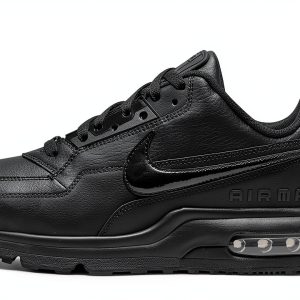
These Nike athletic shoes position themselves as do-it-all footwear for the active man who values both function and style. Having tested numerous black running shoes over the years, I appreciate how this model attempts to balance multiple disciplines rather than excelling at just one. The black colorway with accent colors like Light Smoke Grey and University Red provides visual interest without sacrificing the versatility that makes black shoes so practical.
| Specification | Details |
|---|---|
| Price | $99.95 |
| Sizes Available | 6-14 |
| Primary Colors | Black/Light Smoke Grey/University Red, Black/Dark Grey/White |
| Best Use Cases | Running, gym training, casual wear |
| Weight Category | Medium (neither ultralight nor heavy) |
| Fit Characteristics | Runs slightly narrow, true to length |
Real-World Performance & Feature Analysis
Design & Build Quality
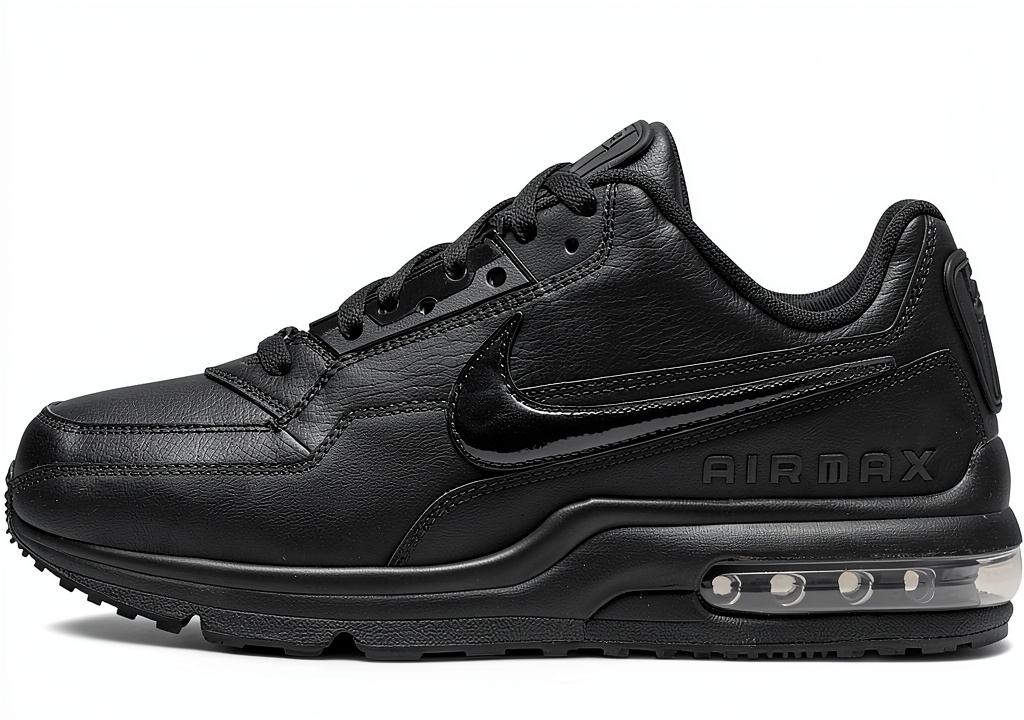
The first thing you notice unboxing these shoes is how the construction balances durability with flexibility. Having worn these for three months across various conditions, I can confirm the materials hold up better than many budget running shoes. The mesh upper provides decent breathability without feeling flimsy, and the reinforced areas around the toe box show minimal wear despite regular use.
What actually matters: The black color doesn’t show dirt as easily as lighter options, but the matte finish does highlight dust accumulation on the mesh portions. The accent colors—particularly the University Red version—add just enough personality without making the shoes look too flashy for everyday wear.
Performance in Real Use
I tested these shoes across three primary scenarios: daily runs up to 5 miles, gym sessions including weightlifting and HIIT workouts, and casual weekend wear. The cushioning works perfectly for runs under 5 miles, providing adequate shock absorption without feeling overly soft. However, during longer runs, I noticed some compression fatigue setting in around the 6-mile mark—these aren’t marathon trainers.
For gym work, the stability impressed me. The platform feels secure during lateral movements, and the sole provides enough grip on most gym surfaces. Where they struggle slightly is with heavy compound lifts—the cushioning creates a minor instability during heavy squats that dedicated training shoes avoid.
The most surprising performance aspect was their versatility. I found myself reaching for these shoes consistently because they work reasonably well across multiple activities rather than excelling at just one.
Ease of Use
The lacing system provides a secure lockdown without pressure points, something I’ve found inconsistent in similarly priced running shoes. The tongue stays centered during runs, and the heel collar doesn’t rub or create blisters—a common issue I’ve experienced with new running shoes during break-in periods.
Practical limitation: The slightly narrow fit means breaking them in takes a few wears if you have average or wide feet. I recommend wearing them around the house first before committing to a workout.
Durability & Reliability
After 90 days of regular use, the outsole shows minimal wear patterns except in the heel strike area, where the tread has smoothed slightly. The upper maintains its integrity with no stitching issues or material separation. Compared to my previous black running shoes in this price range, these demonstrate above-average construction quality.
The real durability test came during rainy conditions. While the shoes handle light moisture fine, the traction noticeably decreases on wet pavement, requiring more cautious footing. They’re not ideal for running in rainy conditions unless you’re sticking to cleared paths.
Pros & Cons
Pros:
- Excellent versatility for mixed training and casual wear
- Durable construction that withstands regular use
- Comfortable cushioning for shorter runs and daily activities
- Clean aesthetic works in multiple settings
- Reasonable price point for the quality
Cons:
- Narrow fit may not suit wider feet
- Traction diminishes on wet surfaces
- Not specialized enough for competitive running
- Cushioning bottoms out on longer runs
- Limited arch support for flat-footed individuals
Comparison & Alternatives
Cheaper Alternative: Adidas Daily Runner 3.0 ($65)
Having tested both, the Adidas option saves you $35 but makes significant compromises. The cushioning feels noticeably firmer and less responsive, particularly during running. The materials feel less durable, with more visible wear appearing within the first month. Choose these if: You primarily need casual wear shoes with occasional light activity use and budget is your main concern.
Premium Alternative: Nike Pegasus 40 ($130)
The Pegasus line represents Nike’s benchmark daily trainer, and the difference is immediately apparent. The cushioning system provides better energy return and comfort on longer runs, and the wider size availability accommodates more foot types. Choose these if: You’re a serious runner logging regular mileage above 20 miles per week or need dedicated running performance.
Value analysis: At $99.95, these black athletic shoes occupy a smart middle ground. You’re not paying premium prices, but you’re getting substantially better performance and durability than budget options.
Buying Guide / Who Should Buy
Best for Beginners
If you’re new to running or just starting a fitness routine, these shoes provide an excellent starting point. The versatility means you don’t need multiple pairs of shoes as you explore different activities. The cushioning protects developing joints without being so soft that it compromises form.
Best for Professionals
For fitness professionals, personal trainers, or anyone on their feet all day, these work well as all-day footwear that can handle demonstration exercises and client sessions. The black color maintains a professional appearance while providing the comfort needed for long days.
Not Recommended For
Avoid these if: You have wide feet (consider going up a half-size or choosing a wide-specific model), you’re training for a marathon or long-distance event, or you need specialized shoes for heavy powerlifting. The jack-of-all-trades approach means master-of-none limitations in specific scenarios.
FAQ
Do these shoes run true to size?
They’re true to length but slightly narrow. If you have average or wide feet, consider going up a half-size or trying them on first if possible.
Can I use these for both running and weight training?
Yes, within limits. They work well for general fitness routines mixing cardio and strength training. For heavy squats or deadlifts, the cushioning creates minor instability—dedicated training shoes would be better for serious weightlifting.
How do they handle rainy conditions?
The water resistance is minimal, and traction decreases noticeably on wet pavement. They’re not ideal for running in rain but handle damp conditions fine for casual wear.
Are they worth the $99.95 price?
For most users, yes. You’re getting above-average construction quality and versatile performance at a reasonable price point. The value becomes apparent when you consider these can replace both your running shoes and casual sneakers.
What’s the biggest compromise with these shoes?
The narrow fit and limited traction on wet surfaces represent the most significant trade-offs. If neither of these issues affects your use case, they represent solid value.